How misinformation spreads online and how to spot it
Scrolling through TikTok or Instagram, it is easy to find quick tips promising better focus, more energy, or improved health. Especially during busy times like midterms or finals, a lot of students turn to social media for quick solutions, like what to eat, what to drink, or how to stay energized. From energy drinks to brain-boosting snacks, a lot of this advice seems helpful and convenient.
The problem is not just bad advice, but it is how social media is designed to push and amplify misleading information. Many of these posts are made to grab attention, not necessarily to be accurate. So, because of this, it becomes easy to trust information that is not fully true or is taken out of context. Understanding how this works can help college students make smarter choices and avoid falling for harmful trends.
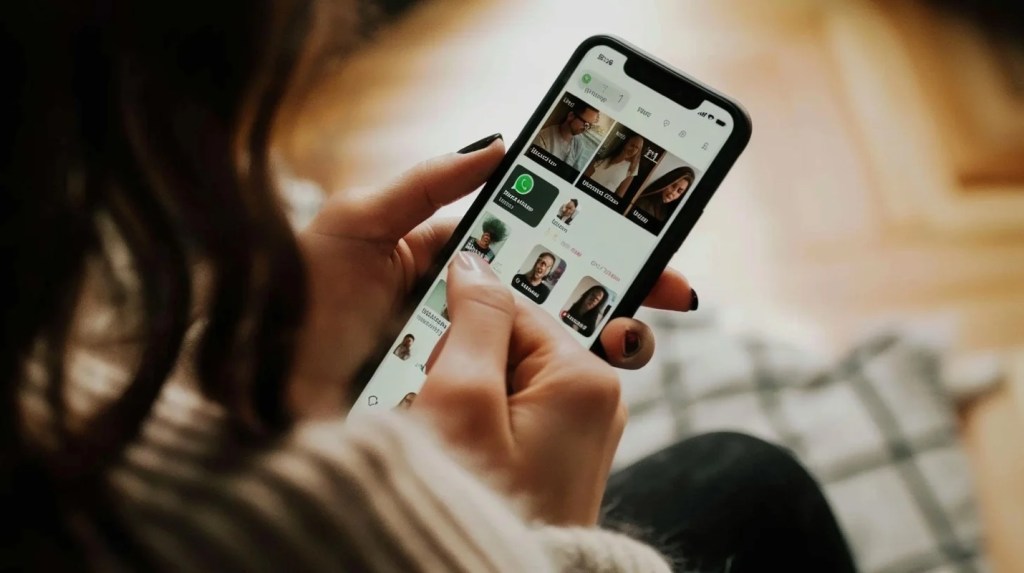
How Social Media Spreads Misleading Advice
First, algorithms prioritize engagement, not accuracy. Social media platforms are designed to keep users scrolling as long as possible. This means posts that get more likes, shares, or comments are pushed to more people, regardless of whether the information is true.
Content like “Drink this for instant energy!” or “Skip meals to stay focused!” spreads quickly because it is simple and eye-catching. Even if the advice is misleading, the platform promotes it because it keeps people engaged. Over time, this makes it harder to tell the difference between reliable information and popular content.
Second, influencers are not always experts. Many popular creators share nutrition advice without having medical or scientific training. Even when they do not intend to mislead people, they may oversimplify complex topics or share personal experiences as if they apply to everyone.
For example, an influencer might talk about how skipping breakfast helps them feel more productive, but that does not mean it is healthy or effective for most people. Because influencers often appear relatable and trustworthy, it is easy to accept their advice without questioning it.
Third, there seems to be a quick fix culture. College students often have busy schedules, so advice that promises fast results is especially appealing. Social media takes advantage of this by promoting quick solutions like energy drinks, supplements, or extreme diet habits instead of balanced nutrition and proper hydration.
While these hacks might seem helpful in the moment, they usually do not support long-term focus or health. In some cases, they can even make things worse by causing energy crashes, dehydration, or poor concentration later on.
Fourth, you may keep seeing the same advice. One reason misinformation spreads so easily is because of how algorithms learn your behavior. If you watch or interact with one video about study hacks or energy tips, the platform will show you more content like it.
Over time, this creates a feed filled with similar messages, which can make it seem like everyone is following the same advice. This repetition can make misinformation feel more believable, even if it is not accurate. It is not necessarily that the information is correct, but it is just being shown to you more often.
How to Spot Misleading Information
There are simple strategies college students can use to avoid falling for misleading nutrition and hydration advice. You can check the source. Is the person qualified to give nutrition advice, or are they just sharing opinions? For example, a registered dietitian is more reliable than a random influencer. Another thing you can watch for are extreme claims. Words like “instant,” “miracle,” or “guaranteed” are usually red flags. Real health advice is rarely that simple. Be sure to look for evidence. Does the post include facts or research, or is it based only on personal experience? You can also compare information. Try checking multiple sources to see if they agree. If only one person is saying it, it might not be reliable. Lastly, pay attention to how it makes you feel. If something feels urgent or too good to be true, it is worth questioning. A lot of misleading content is designed to create strong reactions, so people engage with it.
Why This Matters
Misinformation does not just confuse people. Misinformation can shape daily habits. Believing the wrong advice about hydration and nutrition can lead to poor concentration, low energy levels, and difficulty keeping up with schoolwork. For college students, this can have a direct impact on academic performance, especially during stressful times. Relying on things like caffeine or skipping meals instead of maintaining balanced habits can also lead to burnout over time. Learning how to question what you see online is important not just for health, but for making informed decisions in general. It helps students stay in control instead of being influenced by whatever trend is popular at the moment.
Conclusion
Social media is not all bad. It can be a helpful place to find ideas and information. However, it is not always reliable, especially when it comes to topics like nutrition and hydration.By understanding how platforms promote content and how misinformation spreads, college students can make better decisions about what they believe and what habits they build. You do not have to stop using social media but use it more carefully.Being informed is not about knowing everything, it is about knowing how to question what you see.
Are Energy Drinks Bad for you?. Harvard Health. (2025, August 7). https://www.health.harvard.edu/diet-and-nutrition/are-energy-drinks-bad-for-you
Energy Drinks • The Nutrition Source. The Nutrition Source – Harvard Chan School. (2024, November 15). https://nutritionsource.hsph.harvard.edu/energy-drinks/
Mayo Foundation for Medical Education and Research. (2025, June 3). Why energy drinks are more dangerous than you realize and exploring natural alternatives. Mayo Clinic. https://mcpress.mayoclinic.org/nutrition-fitness/why-energy-drinks-are-more-dangerous-than-you-realize-exploring-natural-alternatives/
Watson, S. (2014, June 18). Caffeine and a healthy diet may boost memory, thinking skills; alcohol’s effect uncertain. Harvard Health. https://www.health.harvard.edu/blog/caffeine-healthy-diet-may-boost-memory-thinking-skills-alcohols-effect-uncertain-201406187219
This post is intended for college students ages 18–24 who frequently use social media for lifestyle and health advice. I chose a blog post format because it allows me to clearly explain how misinformation works while still being engaging and easy to follow. This format also makes it easier to include examples and practical tips that students can apply in their daily lives.
 lowork
Leave a comment